


Visual timing shapes feelings more deeply than words alone ever could. Many creators depend on social media video editing to build emotional flow through motion and pause. Every cut, transition, and beat influences how viewers connect with meaning. Balanced pacing helps stories feel natural and easy to follow. These methods turn simple visuals into emotionally rich experiences.
Rhythm as emotional guide
Visual rhythm works like music for the eyes. Fast motion brings excitement and urgency. Slow motion allows space for reflection and calm. Together, these elements guide emotional understanding without explanation.
Core techniques shaping rhythm
Several creative methods help control emotional impact through timing and movement. These techniques improve connection and clarity.
- Short scene intervals create urgency and heightened emotional tension
- Longer visual pauses support reflection and thoughtful engagement
- Beat alignment strengthens harmony between sound and motion
- Smooth transitions reduce distraction and improve story continuity
- Repeated visual patterns build memory and recognition
- Sudden motion changes increase dramatic emphasis
- Controlled pacing prevents viewer fatigue and confusion
- Balanced timing supports emotional consistency
Viewer focus through motion
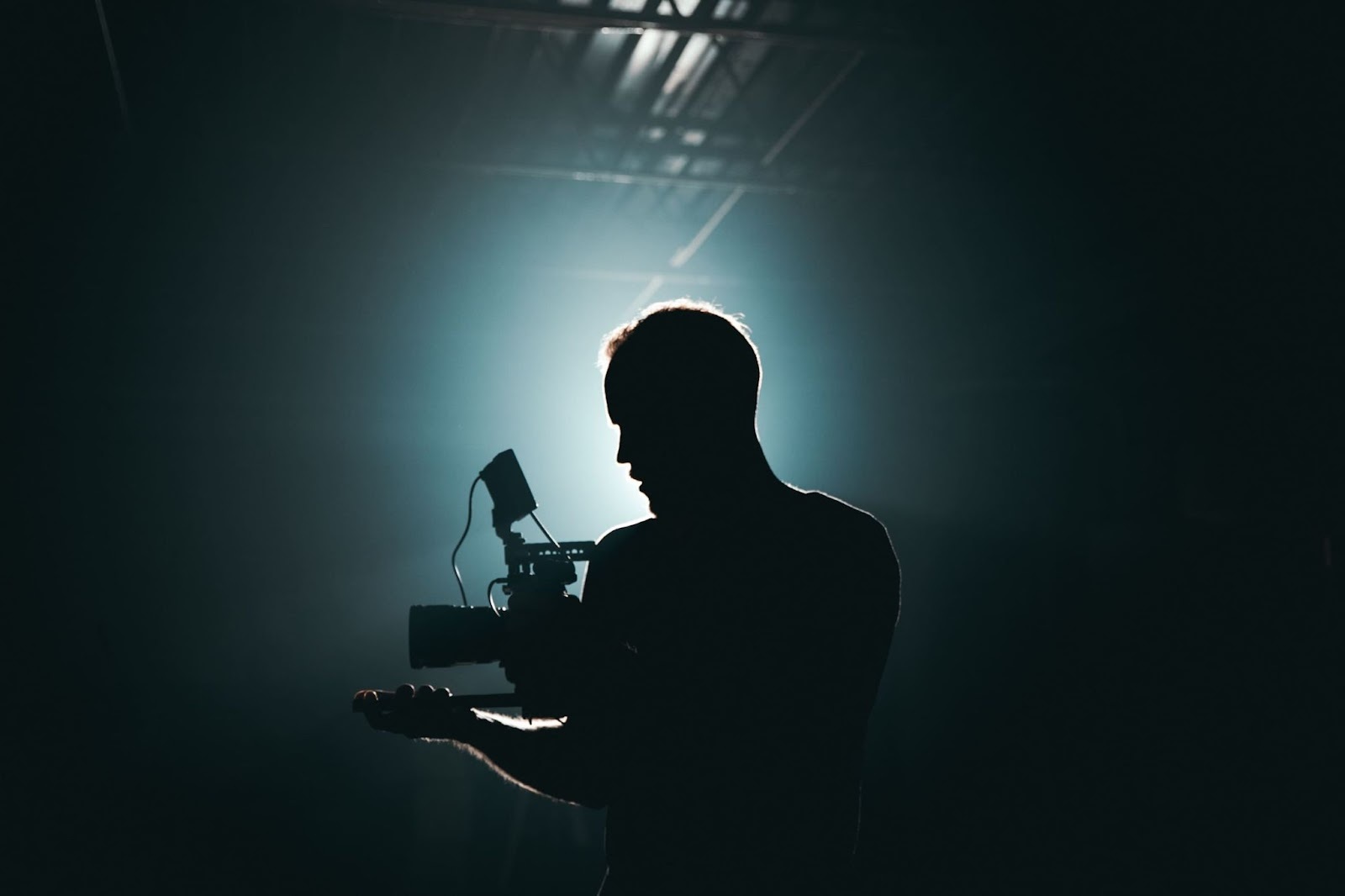
Motion directs attention toward meaningful moments. When visuals flow evenly, the brain processes information more easily. Emotional response becomes stronger when the rhythm feels intentional. Viewers remain engaged because movement supports story meaning.
What makes rhythm affect emotional viewer reactions?
Rhythm controls how quickly the mind absorbs visual information. Faster pacing excites the senses and raises energy. Slower pacing creates comfort and deeper emotional thought. This balance allows stories to breathe and emotions to grow.
When timing feels natural, audiences trust what they see. They connect with characters and situations without feeling rushed or bored. Rhythm becomes an invisible guide that shapes emotional journeys through visual storytelling.
Creative structure for emotional flow
Planning rhythm improves emotional clarity. Editors using social media video editing tools design sequences around feeling rather than speed. This structure helps maintain emotional direction from start to finish. Visual order supports creative freedom.
Movement and mood connection
Movement expresses feeling without language. Gentle motion suggests calm and safety. Sharp cuts suggest tension and excitement. Emotional meaning grows when movement reflects the story’s intention.
Emotion through visual timing
Strong stories rely on motion and pause working together. Every frame shapes feeling and focus. Thoughtful rhythm builds trust and emotional depth. Viewers respond to a flow that feels intentional and human.
Comments are closed, but trackbacks and pingbacks are open.